Reflection, goal setting and TIM

We have been working towards helping our Kindergarten learners develop an understanding of who they are as learners.  A key element in supporting our learners to take ownership of their learning are the skills of reflection and goal setting.

As part of our writing workshop, we conference with our learners during and after writing.  We encourage them to identify their sunshine, things they did well, and their areas for growth, what they still need to learn. Initially, this required lots of modelling, and now most learners confidently engage in these reflections.

We decided to use the same model of sunshine and growth for our three way conferences. As teachers, we created a Seesaw activity (link) and decided the criteria. However, after being challenged to consider what choices we as teachers were making for our learners that they could make for themselves, our plans changed. I asked my collaborative team if I could lead a lesson that would result in the learners making the decision about the criteria.

With their support, I planned a three part lesson using the Torrance Incubation Method (TIM) and I incorporated some elements of Creative Problem Solving (CPS.) The TIM model is based around incorporating a creativity skill, or approach to creativity as I prefer to call them, into each part of your lesson: heightening anticipation, deepening expectations, and extending the learning. I found the following this resource useful when trying to understand the model myself.

The approach to creativity I chose to integrate into this lesson was ‘putting it into context.’ As we heightened anticipation, we explained the why behind the conference and asked learners for help to decide what learning they wanted to share. As we deepened expectations, we used the creativity tool ‘stick ’em up brainstorming’ to generate ideas of what learning we could share. Finally, in the extending learning, we converged our ideas because we had to take into consideration the length of each conference. We supported learners, by grouping ideas or creating clusters. Then we voted on some or rephrased a few more. We found that the criteria developed and selected by learners was very similar to that of the teachers. The difference was, that they seemed to expect more from themselves!

As a reflection of the conferences, I found that they were the most productive conferences I had been a part of. Most learners were honest with themselves and everyone had goals to work towards. As a teacher, we just need to ensure that we revisit these goals and use them to guide our learning.

To take this further, I decided to plan a series of TIM lessons to focus around goal setting in writing. I decided to work with a group of emergent + writers, who are demonstrating readiness by applying initial sounds and more to their writing.  using a variation of the the gradual increase of independence. The tool was introduced to us by Taryn BondClegg (@makingoodhumans) and designed by Suzzane Kitto (@OrenjiButa) who has shared her resources here.

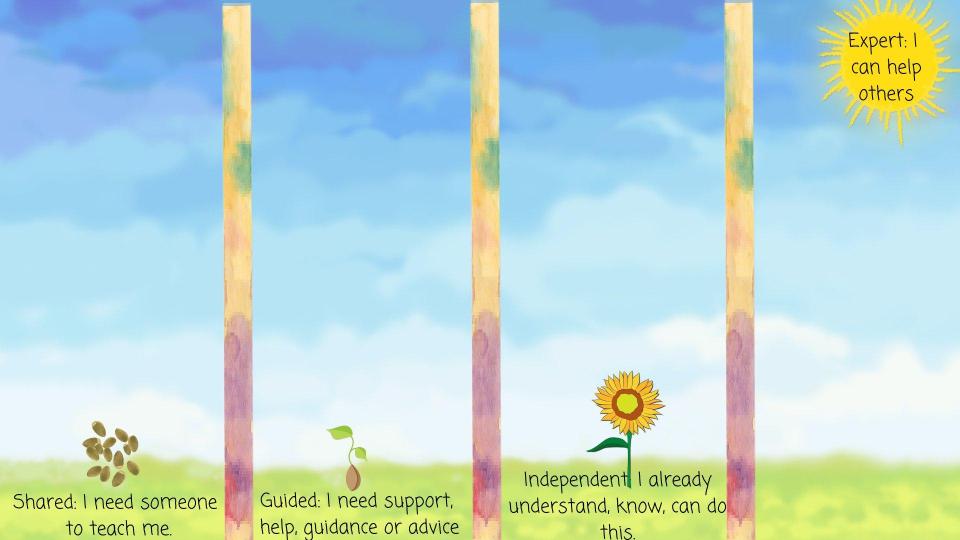
My variation to the gradual increase of independence was to make it more visual for younger learners and link it to our sunshine and growth model.

KG gradual increase of independence

I chose to turn the success criteria for writing that our learners have been generating into visual, movable cards. I was also able to personalize the process by the number and content of the cards.

You can get a copy here.

KG gradual increase of independence (1)

The learning outcome for the lesson was for learners to self assess themselves as writers. The creativity goal was to ’embrace the challenge.’  We heightened anticipation with a word hunt that we then had to puzzle together as a sentence. In the deepening expectation phase, I we explored the metaphor of seeds needing lots of help and sunshine being something that helps seeds grow. I then challenged learners to self assess their learning. The final part of the lesson, extending the learning, was the challenge to find evidence of the criteria in their writing books. This led to interesting discussions about what we were really doing well and things we needed to work on to improve our writing.

For the subsequent lesson, I decided to help learners narrow their focus, by choosing one goal to work on at a time. The creativity goal I chose to integrate was ‘making it swing, make it ring.’ First, I integrated a lot of kinesthetic whole body movement into our phonics lesson prior to writing. We also played a hand mirroring game to heighten anticipation. To deepen expectations, we referred back to our gradual increase of independence and took our discussions from the previous lesson further. Learners began to realize that they could keep doing the things they did well, and spend more attention on what they thought were shared or guided goals. I suggested working on one of those goals at a time might be more productive. Finally, to extend the learning, we came up with actions for each of the criteria we had chosen. The great thing was that each learner had ownership over the goal they chose.

I have begun to see that some learners are really supported by focusing on one goal at a time and are keen to prove it to me during our conferencing.  As I conference with learners, I ask if they want to share their goals with their family. As learners share their goals, they are adding an element of accountability to their learning.  Some have felt ready to do this, and I have embedded the creativity skill of ‘highlighting the essence,’ as I support learners to share both the process and their goals with their families. With permission, here is a link, to one learners’ goal sharing.

Through this series of lessons, I have been embedding approaches to creativity using TIM and I have been applying my own learning to promote learner agency. I found that identifying and embedding the creativity skills or approaches to learning, made lessons more engaging. My next step is to make these approaches to creativity more explicit in our teaching and learning.

I have moved from co-constructed success criteria with learners to learners have interactions with their success criteria and developing a much deeper understanding of how the success criteria supports learning. Learners have made choices and have begun to take action. For those who have not taken action yet, they are beginning to see the need to take ownership for their learning as we reflect and conference, and I am confident they will when they are ready. In addition to engaging in goal setting, learners have been learning about goal setting. With lots of opportunities to choose act and reflect upon goals, it is my hope that our young kindergarten learners will have the skills they need to make informed choices, take risks and continue to grow and learn.

As a final reflection about learner agency, I do not want to say that I am releasing control of the learning, as that is not something I ever had. I would say that am making a conscious effort to support learners to have ownership and accountability of their learning.

A thank you

Today is Sunday and I was working on a completely different blog post, that might or might not get done today. I stopped because I needed to cook dinner. A few minutes after I started, my tween-aged son came out of his room and declared that he was bored.  I remember stating the same thing to my Dad when I was his age, and he took me into the library, and I was lost in a world of fantasy forevermore (yes, I am known to spend an entire weekend reading…)

I did not suggest my son read, or learn to code, or dare say that boredom was a great stimulus for creativity. I simply suggested that he could help with dinner if he wanted. He disappeared towards his room, and I assumed I was cooking on my own. A few minutes later, he surprised me with clean hands asking what he should do.

We started with peeling potatoes. I let him choose which peeler he wanted and we quietly got on with it after a few anxious questions. The first was “Can I cut myself doing this?” stemmed from an intense fear of the sight of blood, and the second was “Am I doing this right?” stemmed from that desire to please. My response to this was “I’m left-handed and have learnt to do whatever works!” I then suggested that he could peel two carrots when he was done as I got on with other jobs.

Then, he surprised me further by asking if he could cut the carrots. He said that he had learnt to cut carrots at a community connections day at school. He had been involved in making soup for the homeless. This experience had a positive impact on my son. He learnt some life skills and more importantly, he learnt about empathy and making connections.

After that, he chose to add broccoli to our meal stating “and yes mum, I will eat some…” Next, he learnt how to cut broccoli, dice an onion, and asked if we could make Yorkshire Puddings, so we did. There was flour everywhere, broken eggs and spilt milk. I was thrilled to have a messy kitchen because he was learning from the experience and we were having a conversation.

So today, I find myself thankful for this one-on-one interaction with my son that led to some authentic learning. I am also thankful for his teachers. Thank you to all his teachers who support my son as he learns though every new experience. Sometimes as teachers we don’t know the true impact we have, so I wanted to take a few minutes to reach out and say thank you.


Who we are…as learners

We started our year with our IB PYP unit of inquiry, Who we are. The big idea behind the unit was to support our Kindergarteners to begin to understand who they are as learners to provide a strong foundation for them to take ownership of their learning.

Our provocation was based on the Pixar short film, Piper. You can read more about this in my previous post here. Next, we read Giraffes Can’t Dance by Giles Andrae. As learners made connections between Gerald and Piper, they began to discover what good learners do and as a result, our learners began to understand how having a growth mindset supports learning.

As I observe and interact in the playground, I hear our kindergarten learners talk about how they are challenging themselves to climb to the highest point, or get across the monkey bars. I see them failing and trying again. I see them encouraging each other. I see them learning.

The next part of our unit was less successful. The plan was to learn about our learners’ passions and use this knowledge to inform guided inquiries. I think this fell apart for many reasons. First, we were (and still are) trying to figure out how we function together in our learning hub. We were trying to establish routines and we should have taken more time to do this with learner input, rather than making decisions for them.

Secondly, I think we were either too structured and should have had a more organic approach, or that we were not structured enough and we were trying to run before we could walk. To add to that, I think we were trying to cover too many concepts and skills, thus highlighting the need to develop our understanding of concept based inquiry.

Going forward, my role is not to control every aspect of learning. My role is to support learners as they lead their own learning. I can do this by helping them to develop an understanding of the process of learning as we learn, and I feel like documentation and making learning visible is going to be a key part of this process.

We have had many successes in our Kindergarten learning space, and while it is great to celebrate the great moments, I feel it is also important to share the challenges and fail forward, because this is where our own learning happens.  I shall continue to ‘risk and reflect’ to honor our learners.

Learner agency through Teacher Agency

Student agency has been a buzzword with educators for the last few years. As I look through definitions of the term I have found some commonalities:

  • giving students voice
  • giving students choice 
  • making learning relevant
  • students having an active role in learning
  • student have ownership

When I look at that last term of ownership, my focus shifts to learning. Therefore, I make a conscious effort to use the terms learner, not student and learning not student work.

Over the past two days I have had the amazing opportunity to learn about learner agency with Taryn BondClegg (@makingoodhumans), and have had many opportunities to reflect on my practice as an educator.  She structured our workshop learn about agency, by giving us agency. She has also ensured that she gives us the opportunity to unpick the why? how? and what? Taryn began by giving us time to connect and then self assess our understanding. We also generated our own success criteria for the session, because as long as we understood the why, the choice of how and what we learnt was ours.  As we were generating our success criteria for the two day, we were asked to share them as we were reminded that:

Learners should have accountability to themselves and their learning community.

After we developed our success criteria, we unpicked the why, how and what of documentation. Again, as long as we were clear on the purpose of documentation, the how and what we documented was our choice.

img_3517

Before we chose our learning for the day we were asked to consider the following questions:

What do you need to learn about?

How best do you learn?

How much time do you need?

When do you need to take breaks?

How can you learn from one another?

This process supported us to reflect upon ourselves as learners, so that we could control and direct our own learning using the CAR model – choose, act, and reflect. Taryn has blogged about this process and you can find this post here.

Over the two days, I was reminded what it was like to be a learner. This was not a PD session where the vibe was ‘do as I say, not as I model.’ I felt engaged and energized throughout the learning. There were some issues I grappled with, and the conclusions I came to were my own, not answers given to me. I had to push myself outside of my comfort zone and my new learning was earned. I will say that as energized as I was, it was also intense and was very grateful that we did not have homework at the end of the day!

So, what were my big takeaways from learning about learner agency through agency?

The first idea isn’t new, it was just a great reminder. We can support our learners by building positive relationships with our families within our learning community by keeping them informed!

Agency will look different in each circumstance. We need to do what works for us in our situation. Learner agency builds up over time, so be wary of transplanting what works at another school. By all means, learn from others, share ideas and adapt them to make them workable for you.

The foundation for learner agency is learners developing self awareness of who they are as learners. Therefore, taking time to connect each morning and reflect at the end of each day is vital to supporting learners to move from one place to the next on their continuum of learning.

We can give learners agency through a cycle of risk and reflect. We should continually ask ourselves what we can do to give our learners voice, choice and ownership of their learning.

And finally, it is okay to start small, and so I did.

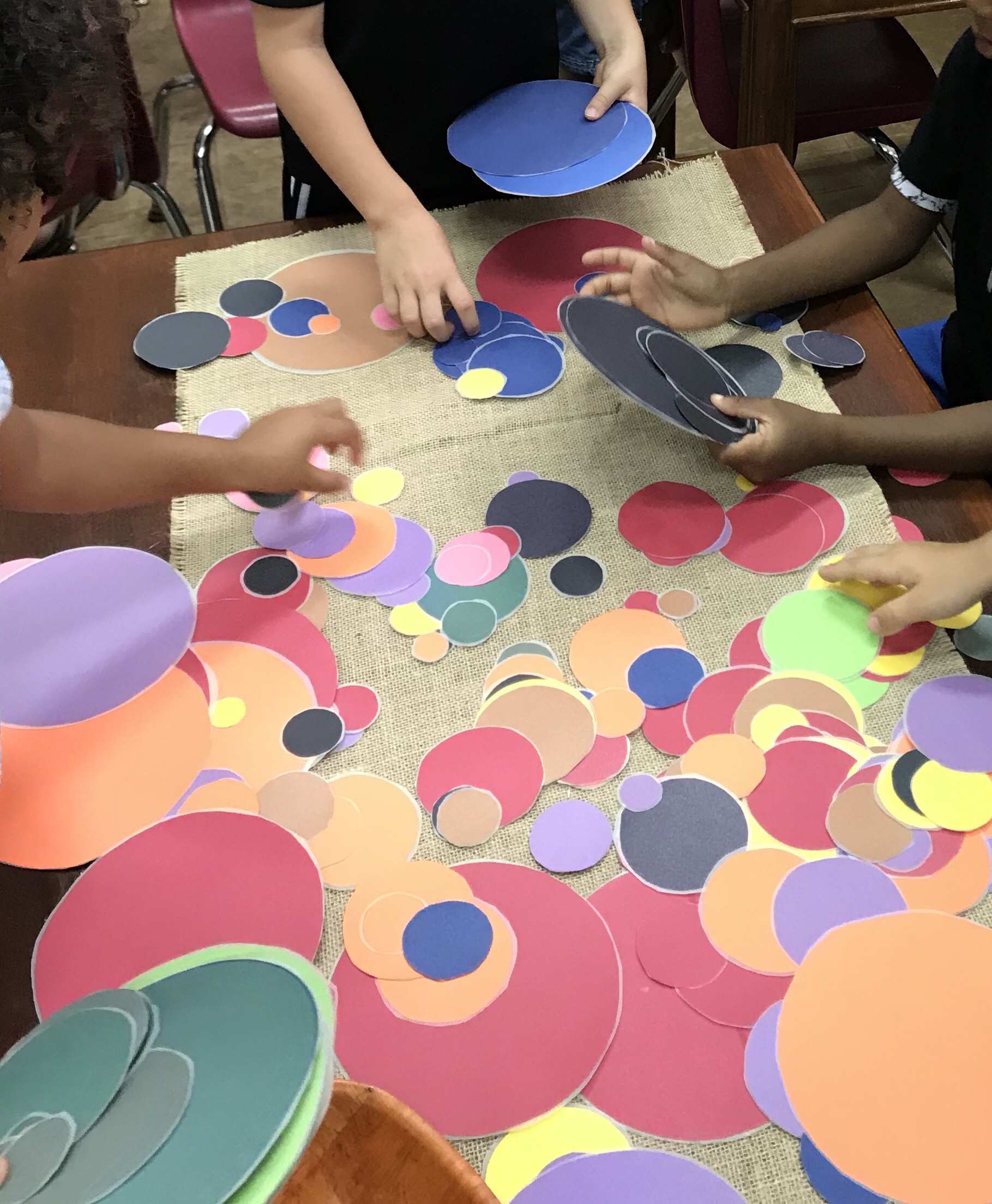
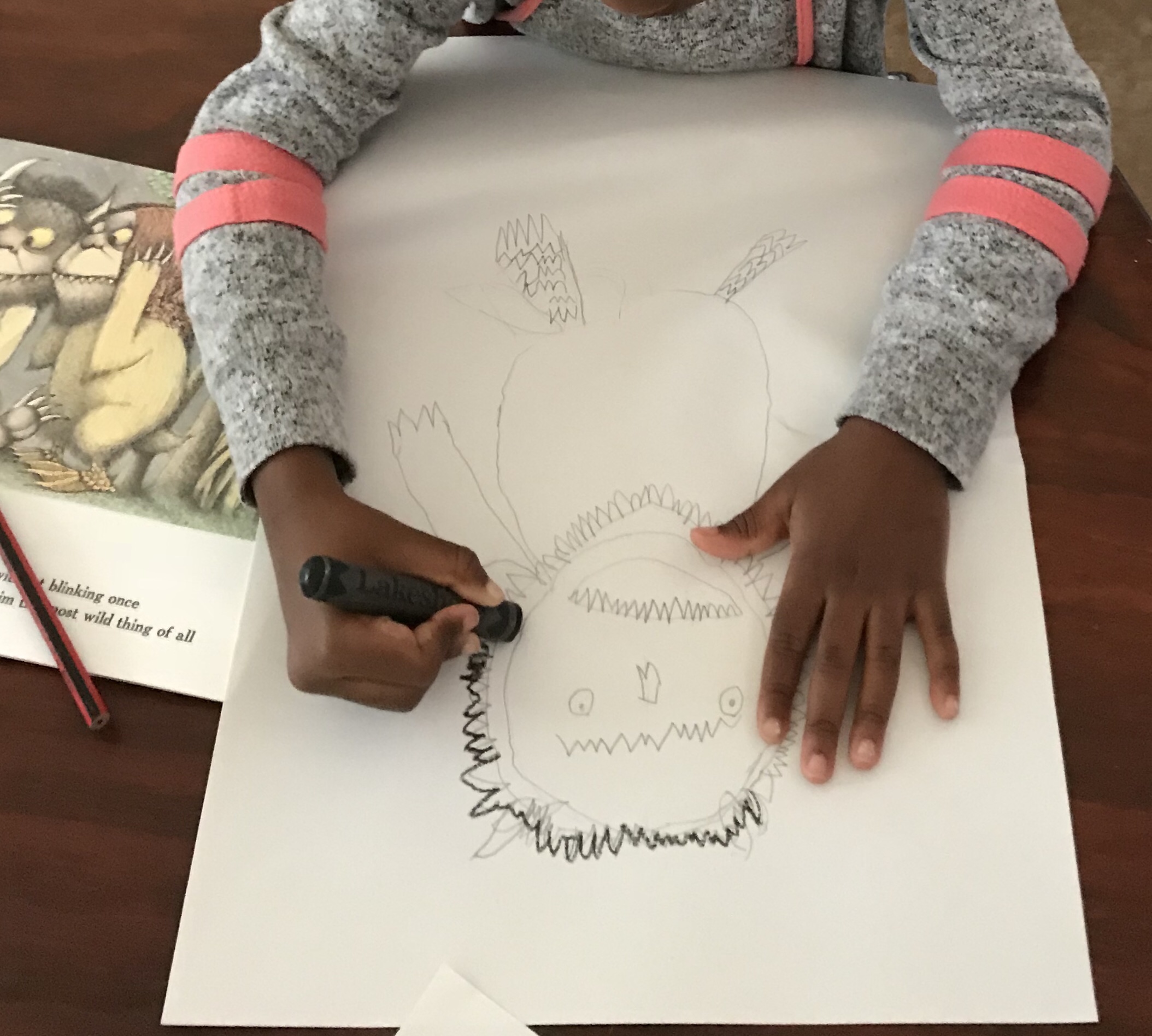
The next day was International Day at our school. We were exploring the theme of peace  and our team had planned to have learners do the same learning activity. Our plans changed. We began by exploring why we need peace. Then we generated ideas of how we could be peaceful. Finally, we developed a list of ideas to show what we could do to show our understanding of peace.  Some learners chose to play with peaceful intentions, other chose to build collaboratively.

Some chose to paint.

Others chose to write.

And some chose to use the app Draw and Tell to explain their thinking.

Before I finish today, I would like to thank Taryn, our administration and all the experts who took their time to share with us.

Finally, I ask you, what will you do to honor your learners to give them voice, choice and ownership over their learning?

Teach Like a Pirate – My Interpretation

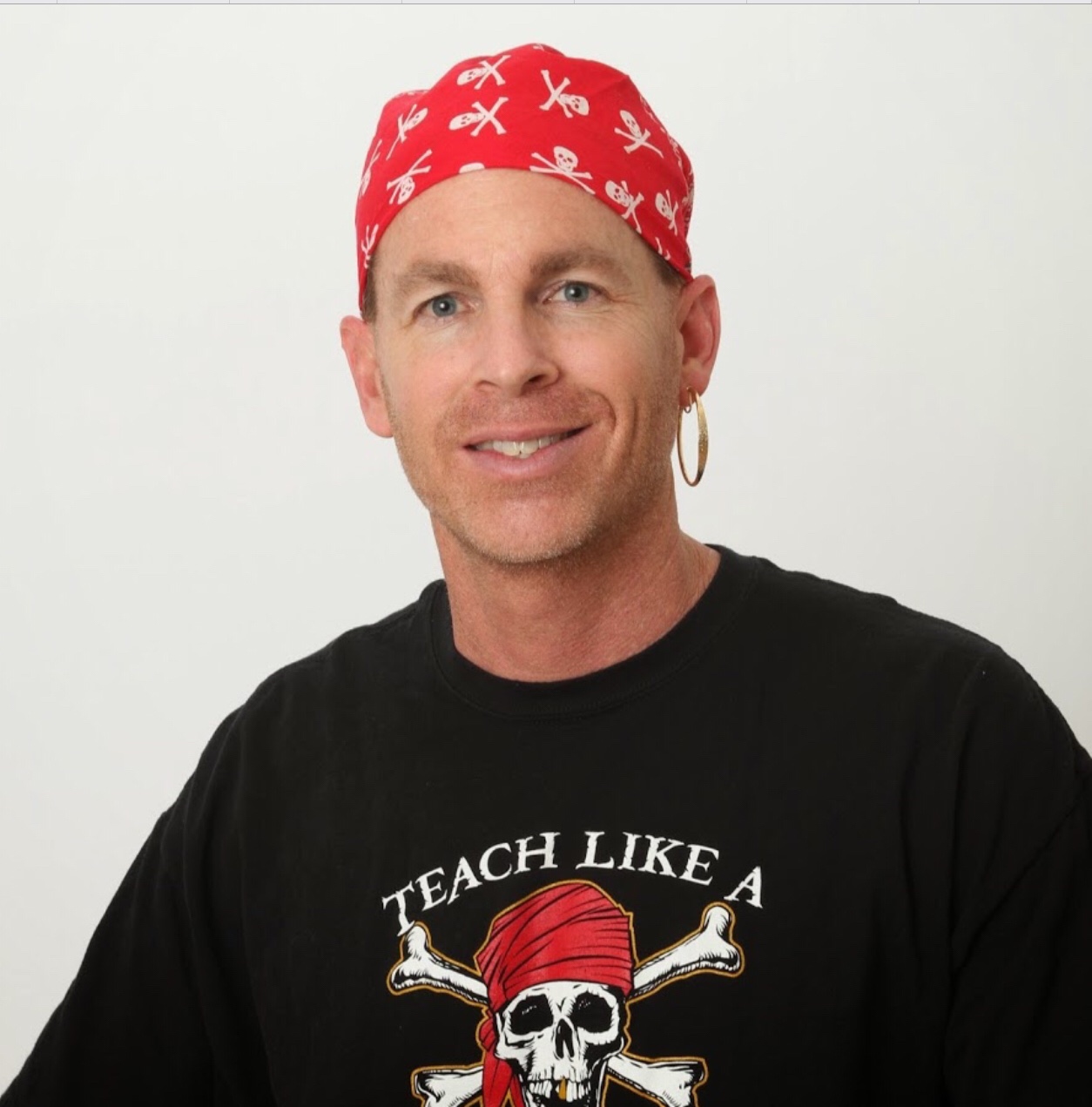
Teach Like a Pirate – Increase Student Engagement, Boost Your Creativity, and Transform Your Life as an Educator by Dave Burgess (@daveburgess) is not a new book, yet it is still a relevant and engaging read for educators today. When first published, I remember the hype, but I was not in a place to join the pirate crew. I was about to embark on my own journey to rediscover my passion as an educator that led me back to Africa as an international teacher. Earlier this year, I found the book again as I delved into Twitter and its amazing network for educators. I committed to the decision to find out what it means to ‘teach like a pirate.’ #tlap

My first question was, ‘Why Pirates?’ The answer is twofold. First, it is a mnemonic for the pirate system and philosophy. Second, Burgess defines a pirate as follows:

“Pirates are daring, adventurous, and willing to set forth into unchartered territories with no guarantee of success.”

With this definition in mind, it is easy to see why many educators are joining the pirate crew as we look to shake up education to support our learners to thrive in an ever changing world.

Part I of the book is dedicated to explaining the pirate system and philosophy.

Burgess defines three types of passion. Incorporating passions into our teaching can be a source of motivation for both educators and learners.

Content Passion stems from the areas of curriculum that you are passionate about. When I think back to the subject areas I enjoyed in high school, I would say economics and history. Now my husband would laugh to hear this because I never remember any historical information, nor am particularly financially minded. However, in high school the content passion of my teachers rubbed off on me.

Professional Passion is the reason we become educators. As Burgess wisely surmised, we don’t always have content passion. At these times, we should focus on our professional passions.

Personal Passion doesn’t require a definition. Bringing our passions into our learning spaces means that we are teaching from our strengths and demonstrating to learners how following our passions can lead to learning.

“Your ability to completely give yourself up to the moment and fully ‘be’ with your students is an awesome and unmistakably powerful technique.”

Personally, I have always felt it important to model expectations for learners. If we want them to be fully engaged, then we need to be fully present. Burgess also notes that learners know when we are not truly present. He adds that through immersion, we don’t miss the ‘teachable moments’ because we are right there with them. He goes on to state that this is the ideal way to support struggling learners.

We all want to create an environment where our learners feel safe and valued, an environment where learners are willing to take risks and fail forward. It is paramount to know our learners and build those relationships; learners need to trust us and each other.

I too feel that this connection with our learners is integral to learning, and this is why I value our morning meetings. Following the Responsive Classroom (@responsiveclass) morning meeting structure helps us build our learning community and gives us an opportunity to start our day with a bit of fun through a variety of greetings, sharing, activities and morning messages.

This section of the pirate system and philosophy deals with creativity.

“Creativity is not the possession of some special class of artistic individuals, but is rather something that can be nurtured and developed in all of us – including your students!”

Burgess makes clear that creativity is developed through engaging in the creative process. “It is the process of consistently asking the right questions.” He goes on to add the importance of actively seeking answers. “Your brain won’t be happy until it has provided the answers.”

This reminded me of the process of diffused thinking. This is when you think of a problem and then relax and drift off. When you awaken, your brain has incubated ideas for focused thinking. This is explained better by Barbara Oakley (@barbaraoakley) in this video.

To take it further, I see Creative Problem Solving (CPS, #CreativeProblemSolving) as a way to transform learning experiences to both engage and empower learners. CPS approaches problems or challenges by developing new ideas following a process. The process begins with clarifying a problem to ask the right questions. Divergent thinking is used to generate ideas, and convergent thinking to evaluate and develop ideas. This leads to action or implementation. I look forward to sharing how I find ways to use CPS in education in future posts.

Transformation is about making learning irresistible to learners. To do this we need to know our learners and position and personalize learning to make it relevant. I think this ties in beautifully with learner agency, giving learners voice, choice and ownership of their learning.

Burgess suggests that if you only have one takeaway from this system, it is to ramp up the enthusiasm in your learning space. If you ‘act as if’ you are enthusiastic, you will begin to feel it. If that is not enough, “Make a conscious decision to focus on what empowers you.”

Bringing together passion and enthusiasm will make learning memorable. Last year, I has the opportunity to visit with my year 1 class from 2012. As they shared their memories with me, I was amazed by what they had retained. One asked me if I remembered what a cephalothorax was and others sang a dinosaur song I had forgotten. Neither spiders and dinosaurs are subject areas I am particularly passionate about, but I brought my professional passion, creativity and enthusiasm to our learning space, and made learning memorable.

Part II: Crafting Engaging Lessons

After outlining the pirate system and philosophy, Burgess moves onto the ‘How.’ He suggests working collaboratively to engage in the creative process to enhance the presentation of learning experiences. He shares a toolbox of strategies to energize lessons. He calls these hooks. They are questions designed to help you consider elements in your lessons. Burgess groups his hooks to incorporate different elements such as movement, art, music, drama and dance, STEM, props, suspense, etc.

“How can I harness the power of connecting my content to what students are already interested in?”

“Can they create something ‘real’ that will be more than a classroom project, but also allow them to interact with the world in an authentic way?”

“What types of essential questions can I ask that allow students the opportunity for personal reflection and growth?”

Again, I see the potential for using CPS tools in conjunction with Burgess’ hooks to promote engaging learning. To take it further, I would like to co-construct with learners to empower them.

Part III : Building a Better Pirate

In this final section, Burgess begins by asking:

“Do you want to be great?”

He suggests that great educators benefit learners and mediocrity fails to motivate learners. He then considers what holds us back:

  • The fear of failure
  • The belief that we need to have it all figured out before we begin
  • Paralyzing perfectionism
  • Lack of focus, or focusing on the insignificant
  • Fear of criticism or ridicule
  • Burgess makes three recommendations to overcome these barriers.
  • First, take action and overcome the inertia. Once you get started, the ball starts rolling.
  • Second, find a crew. Burgess advices you to grow your Professional Learning Network (#PLN.) Seek multiple perspectives, read widely, seek professional development, collaborate and reach out on social media.
  • Finally, share treasures. Reach out and share your experiences. #tlap
  • My Final Thoughts
  • As an educator who has lost and found my passion, faced criticism and struggled on my journey, there have been many takeaways from this book. Some of my own practice reflects the pirate system and I can see myself integrating more, especially as I look to give learners more autonomy. I am excited to join the pirate crew and strive for excellence.
  • “Striving for excellence and full engagement is about getting better. It’s about adapting, adjusting, and trying to tweak and improve everything you do.”

  • Lastly, I leave you with a visual hook. It’s unlikely to be an original idea as I’m sure others have created iMovie trailers, but after all this writing, I needed to play!

Images used in the video sourced from Pixabay.

Should you wish to see Dave Burgess in action, click on the photo below.

References:

Burgess, D. (2012). Teach like a pirate: Increase student engagement, boost your creativity, and transform your life as an educator. San Diego, CA: Dave Burgess Consulting.

Embracing Change, Start with Why

This academic year is all about change. A change in leadership slowly leading to different ways of doing things, including redefining our school mission and vision. A physical change to our learning environment to combine spaces leading to learners from different classes learning together in a hub. The expansion of the learning hub model leading to a change in our collaborative team. We will also be revisiting our planning process and our school scope and sequence. Most of these changes excite me, though we have had a few teething problems in our new team.

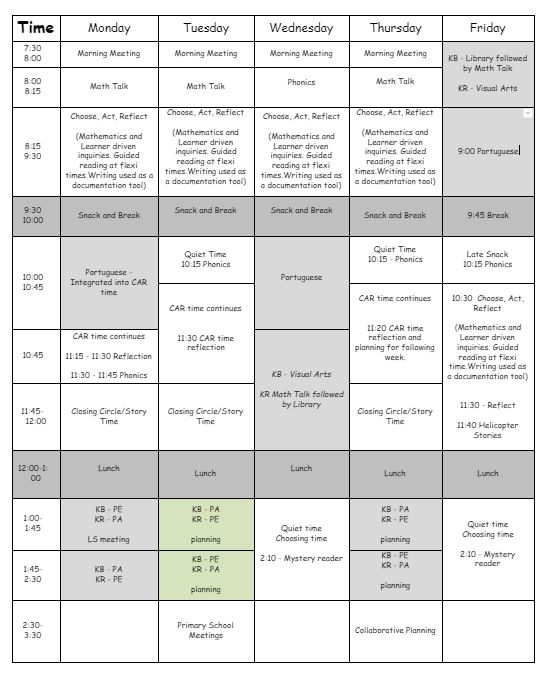
One of the biggest challenges has been changing our routines. Being part of an early years environment, we wanted to ensure we were valuing play. However, I felt like most days we were scrambling to meet our objectives. Our response was to make changes to what we were doing to make each day work, and I began to feel like all I was doing was chasing my tail. I felt like we had dismissed routines that had worked previously and replaced it with something that did not flow.

I decided to discuss this with my colleagues. Those who worked alongside me last year, felt the same way. We decided to revert back to our timetable as it was at the end of last year. As we reverted to this timetable, I explained what we did during each part of the day, and how we did it.

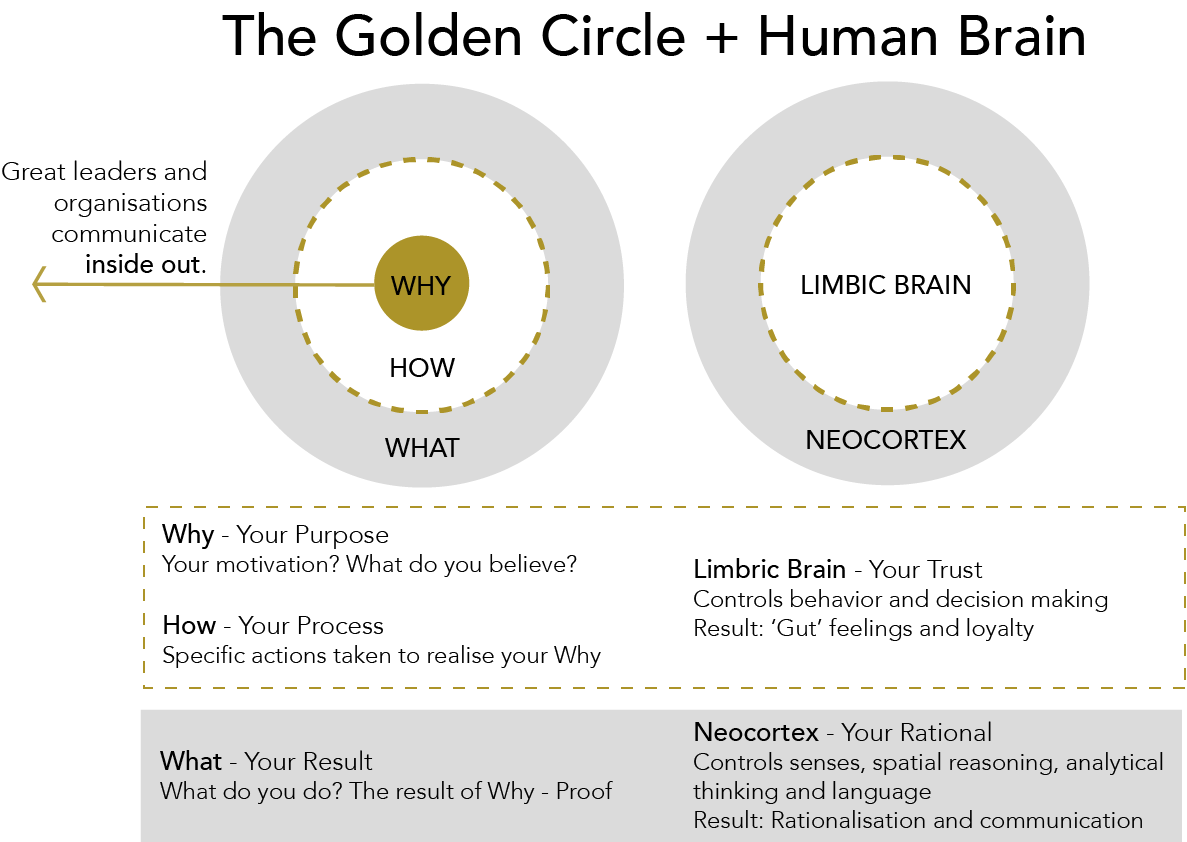
Then, several times in the course of a week, I had the opportunity to see Simon Sinek’s Golden Circle in a variety of contexts. First, through developing an essential agreement as a staff, and then when reading Taryn Bond Clegg’s (@makingoodhumans) post ‘Getting Parents Onboard.’ It inspired me enough to watch this Ted Talk.

Simon Sinek Golden Circle
Image from: https://blog.firstwealth.co.uk/first-wealth-why-day-simon-sinek-golden-circle

I realized that we  had spent so much time figuring out what to teach and how to teach it, that I had not explained why our timetable worked for us, or why we had made the decisions we had made in the past.

To an outsider looking in, it might look like we do not honor play because our morning has a strong literacy focus. However, we found that we needed this focus to meet our academic standards and we made sure that as much as possible, we provided a variety of fun learning experiences and gave learners choice. An outsider looking in might think that we did not value mathematics. Throughout the year, we tried many models and found that through math talks, a variety of games and some guided small group learning, our program worked. By the end of the year we felt we had found a balance between learning through play, developing social and self management skills, and mastering the required academic skills.

Going forward, I am going to not only honor learners, I am also going to honor the past. Change does not have to mean throwing everything out. Change and innovation should come about with a common understanding of purpose and frequent opportunities to reflect.

References:

Bond Clegg, T. (2018, September 15). Making Good Humans. Retrieved September 16, 2018, from https://makinggoodhumans.wordpress.com/

Start with why — how great leaders inspire action | Simon Sinek | TEDxPugetSound. (2009, September 28). Retrieved September 16, 2018, from https://youtu.be/u4ZoJKF_VuA

Villis, A. (n.d.). First Wealth’s “Why” Day – The Golden Circle. Retrieved September 16, 2018, from https://blog.firstwealth.co.uk/first-wealth-why-day-simon-sinek-golden-circle

Learning to Find Our Own Way

Last week we began our unit of inquiry, Who We Are, with a provocation. We decided to use the Pixar Short Film, Piper. We used the visual thinking routine 10 x 2, to share what we noticed. During the first round, Learners noticed general details. It was at a beach, the baby bird wanted food, she saw crabs etc. In the second round, their observations focused around learning.

“The mummy wanted her to learn how to get food.”

“She was scared of the waves, but she tried.”

“She learnt from her friends the crabs”

and the thought that stuck with me the most, was:

“She tried different things and found her own way of finding food.”

These Kindergartners are beginning to understand that by following their own learning path, they will each make their own unique discoveries. They are beginning to unpick the importance of a growth mindset to fulfill their potential. They have given me another reason to follow the path of personalized learning to help each learner find their own way.

Our next step is the understand our own attitudes towards learning and find what helps and hinders each of us with our learning.  Inspired by Shirley Clarke’s @shirleyclarke_  and John Hattie’s @john_hattie new book Visible Learning: Feedback, (on Amazon or AmazonUK) we are going to survey our learners to find out more about mindsets towards learning and inquire into zones of learning. After that we are going to explore learning through passion projects.

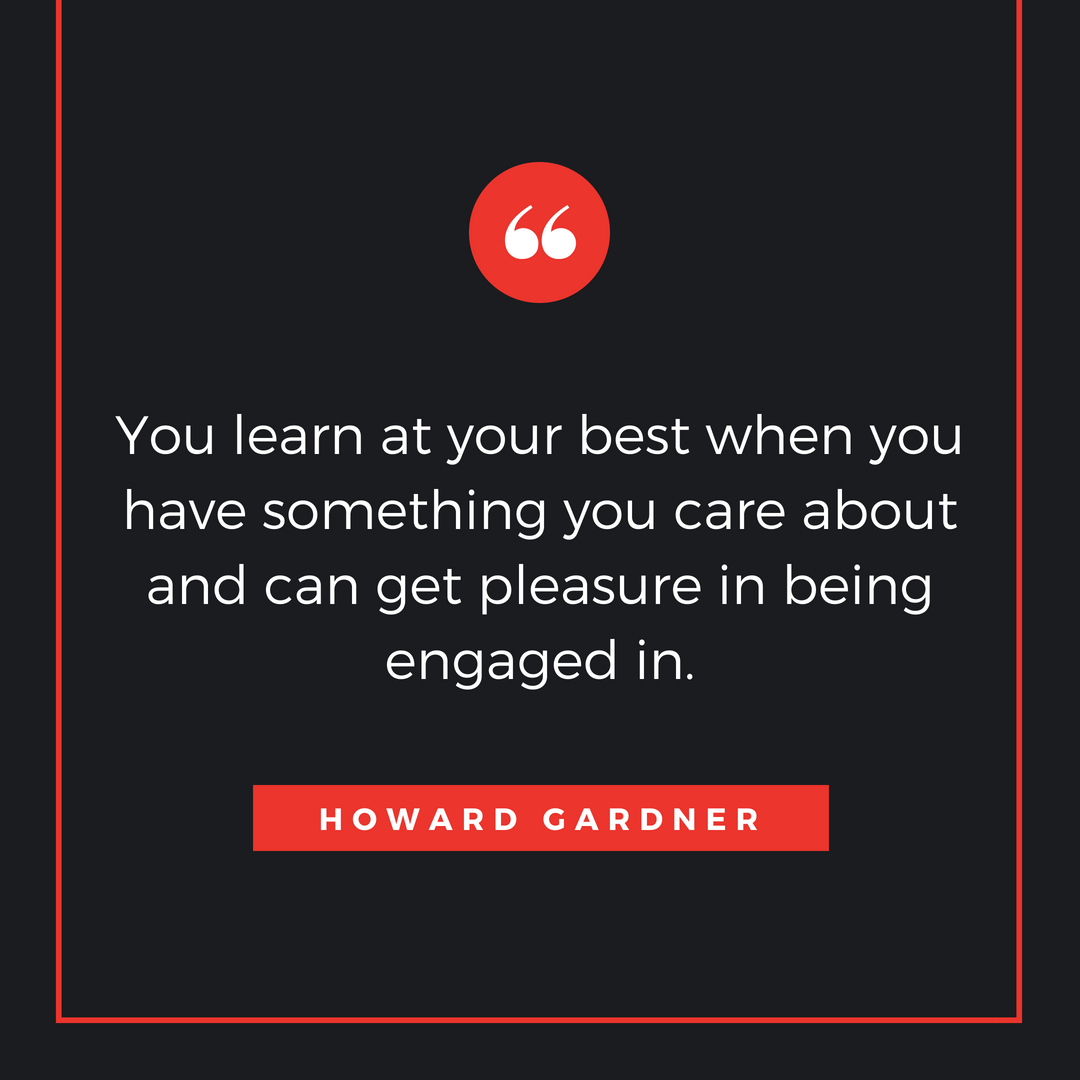
I’ll let you know how it goes!You learn at your best when you have something you care about and can get pleasure in being engaged in.

Saying yes…

August has arrived and we are gearing up for a new academic year. With it comes a twinge of anxiety and a whole lot of excitement. After all, as educators we never know how far our impact will carry.

At this moment, my mind is buzzing with ideas, to do lists, organizing a combined learning space, memories of previous academic years, and it is just a tad overwhelming. Yet, when I take a moment, and think about those memories, I am reminded of how much I learnt last year.

Being a part of a collaborative learning community led to growth and learning I could not have imagined at this time last year. We began the year in two separate classroom as teachers who shared ideas, and ended it as a Kindergarten learning community, that knocked down walls, both literally and figuratively!

So, how did it all begin? It is probably a combination of many things, but the one that keeps coming back to me is our willingness to say ‘yes.’

Saying yes…

Saying yes has not meant that I, or our collaborative learning community did everything that was proposed.

Saying yes is more about being open to new possibilities for the benefit of all learners.

Saying yes is about considering what we can achieve together.

Saying yes is about failure and learning.

Saying yes is about learners’ agency: both educators and students.

In the past year I have said yes to:

  • working as part of a collaborative team that was able to do more together than I could achieve on my own;
  • deepening my understanding of how young learners develop number sense;
  • becoming a Seesaw Ambassador;
  • writing a blog;
  • tweeting;
  • leading PD for my colleagues;

and most importantly of all, our learning community said yes to our young learners.

  • Our learners discovered their voice and felt valued;
  • They learnt how to plan and manage their own learning;
  • They learnt about listening and collaboration;
  • They learnt creative problem solving skills;
  • They learnt about failure, perseverance, resilience and grit.

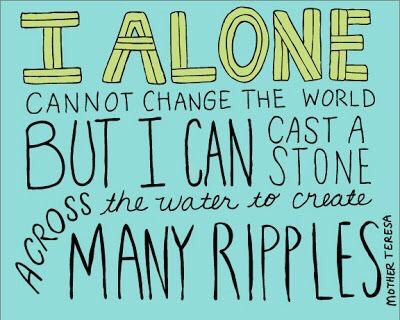
And I’m sure the list could go on. I am reminded of this quote by Mother Teresa that came across my Twitter feed:

Being open to new experiences and learning will have an impact!

Will YOU say yes today?

Reflection for Change

As we move towards the end of our academic year, I am in the process of collating data, writing reports and reflecting on the progress of the learners in our class. It is also an opportunity to reflect on my practice as a teacher. A year ago, I was doing the same thing and my reflection left me feeling vulnerable. Though I was working hard, I felt I could be more effective. By admitting to myself that change would benefit my learners, I had taken the first step towards becoming both a better learner and educator.

The first thing I did was to really look at the data. If I could identify my learners areas of strength and growth, it might be a reflection on my own strengths and areas for development.  The two areas for development that I chose to focus on were writing and the development of number sense.

And then, I needed to dig deeper. I needed to understand why the learners in my class were not confident writers, nor did they show confidence when working with number. I realized, that though I had taught it, I had not ignited a passion for writing or playing with number. I needed give learners that sense of ownership over learning, so that they felt passionate about learning.

The next steps… the how?

Professional Development

Education is changing. As educators we need to be learners for two reasons. Firstly, as role models for the learners in our care and secondly, to give them the best education we possibly can. So when I felt like I needed to learn more about developing number sense, I looked for online courses and did something about it. I highly recommend Christina Tondevold’s  (@BuildMathMinds) number sense courses.

Getting Connected

Education is changing. The best ways to find out and be a part of these changes, is by being connected. Initially, I used educational groups on Facebook to keep me in the loop. Now, I am more of a Twitter fan. I find it is incredibly diverse and generally very positive. I share ideas and I get to see what other people are sharing. Reading the blogs of other teachers around the world, inspired me to start this one. Recently, I read a blog post by Adam Hill (@AhillAdam) ctitled ‘Sins to Avoid as Teacher Tweeters,’ that shares great advice about how you can use Twitter to build your Professional Learning Network.

Collaboration

So far, the focus of changing my teaching practice, focused on things I could do myself. However, to truly make a difference, it wasn’t just me that needed to change my thinking, it needed to be a team effort.  I realized that collaboration was not just about attending planning meetings, sharing ideas and trying them out in our individual classes. It was about letting go of the culture of “my students in my class” and start taking responsibility collectively. The my learners became our learners. 

Through the collaboration within our grade team, we are able to harness our creativity to problem solve together. We take our ideas and build upon them, hopefully making them better. We are open-minded and willing to try new things. Not everything we have done as been successful and that is how we have learnt and evolved as teachers. Combining our knowledge and experience means we can do better for our learners.

Empowering Learners

The biggest change in my role as an educator has been the shift from my learners, to our learners to we are learners. Our focus this year has been building our learning community. At the center of this is our students, our learners. We need to listen to them and support them on their learning journey, not direct their learning. What does each individual learner want to learn? How can we help them get there? And if educators are there to support learners, then so are their families, thus adding to our learning community. How can we build family partnerships? 

By giving learners the ownership of their learning and by keeping their families involved, they have shown an enthusiasm and commitment towards learning that I have not seen before in all my years of teaching.

Sharing Experiences

Finally, if I am truly shifting thinking towards a collective responsibility, then I have a responsibility to share my experiences. I’ll be honest and say that tweeting, writing this blog and leading PD, pushes me well out of my comfort zone. For myself, I do so as a way to clarify my thinking and hopefully get feedback from my learning community. For other learners and educators, I share because I hope I can help others, as so many have helped me.

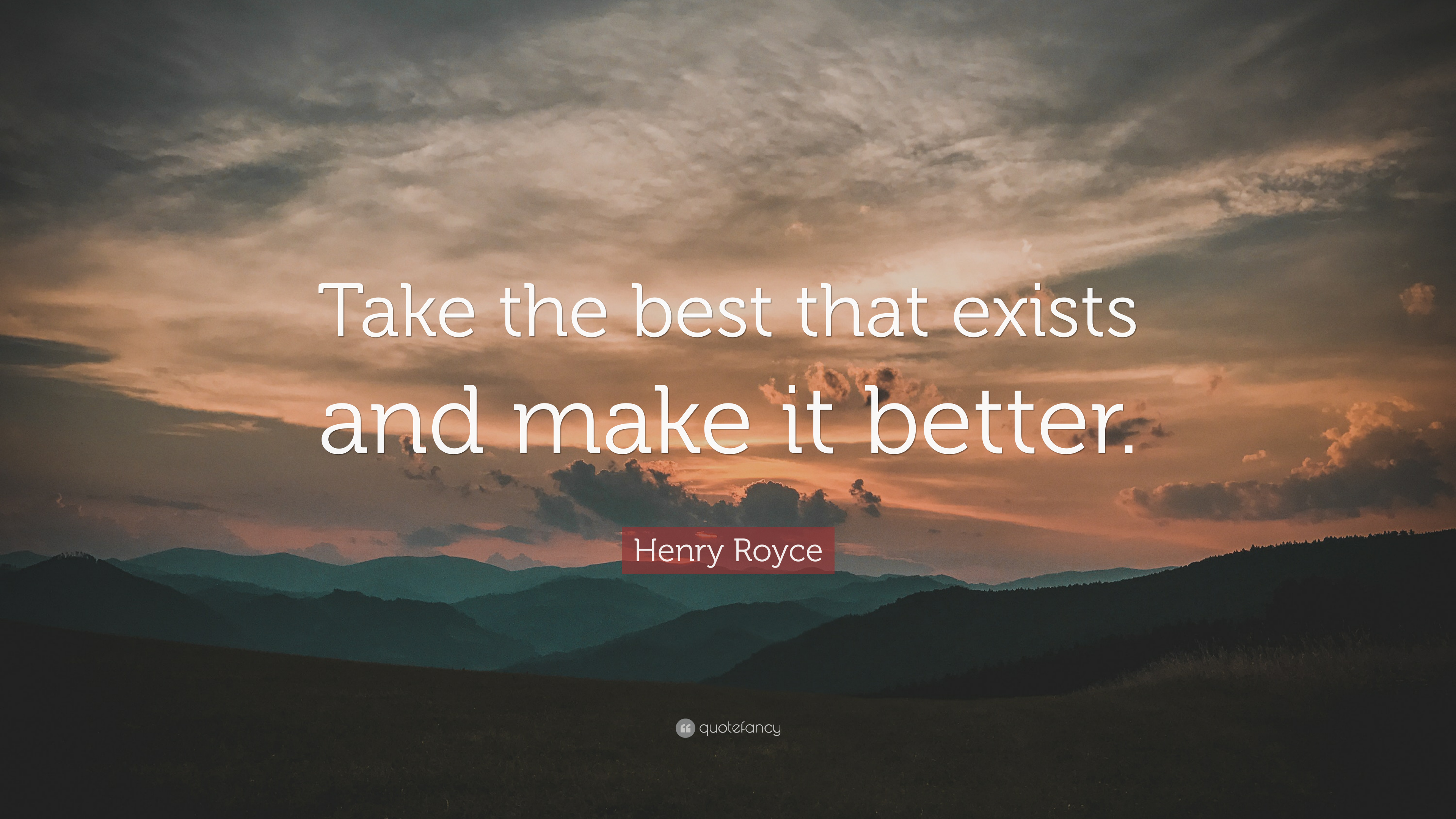
Quotefancy-6290868-3840x2160
Link to quotefancy

Taking it further – Assessment for learning

Assessment for learning was the buzz word early in my teaching career.

Assessment Reform Group (UK 2002):

Assessment for Learning is the process of seeking and interpreting evidence for use by learners and their teachers to decide where the learners are in their learning, where they need to go and how best to get there.

Our planning documents included our learning objectives and our success criteria. We would share our objectives and ‘construct’ the said success criteria with them. Differentiated copies would be stuck into books and referred to during lessons. We would give feedback during the lesson and students would peer and self assess their learning. At the end of lesson we used 2 stars and a wish to give more feedback, and the next day students would respond. Students also had targets and were expected to be able to share them and how to get there.

Upon reflection, I would redefine my early practice as ‘assessment for teaching,’ because I was doing the heavy lifting. The learning was still being directed by me. So how has my teaching and learning changed?

Well, to start with, my teaching partner Zoe Roles (also on Twitter @RolesZoe) and our collaborative team, have been on a journey to ‘let go’ of what does not work for our learners and focus on building a learning community.

At the beginning of the academic year we focused on building our community and ensuring our Kindergarten learners knew what a growth mindset is and why they needed to have one. We began to ask ‘What do you want to learn? What are your goals? What is the first step you will take? What do you need from us?’

We modeled giving feedback and then asked our learners ‘What did you do well? What do you need to work on?’ We listened and we learned together.

The changes we have made have been to shift the focus from teachers to learners. The result has been that our learners are motivated and constructing meaning for themselves.

For example, when our learners were ready, they constructed their own writing success criteria based on all the discussions we have had about their writing in the past. I supported them with the organization, and the knowledge cane from them. During a recent writing on demand writing assessment, they reminded me to have the checklist available. Some chose to use it, and others did not. They also began to help each other peer review their writing, without direction from me. Why? because they owned it!

This week, inspired by Zoe, I shared data with the students about their knowledge of phonics and sight words. They loved seeing how much progress they have made this year and set themselves targets.

Then, they shared these targets with their families via Seesaw. One learner said:

“Mummy, come home early, I want to learn these sight words.”

Returning back to to the earlier definition of assessment for learning, I am reminded that learners were put first. Let them take the lead in their learning.

References:

Assessment Reform Group 2002, Assessment for Learning: 10 principles research-based principles to guide classroom practice, Assessment Reform Group, London, United Kingdom. Retrieved from: https://www.aaia.org.uk/content/uploads/2010/06/Assessment-for-Learning-10-principles.pdf

Jean Piaget. (n.d.). AZQuotes.com. Retrieved May 16, 2018, from AZQuotes.com Web site: http://www.azquotes.com/quote/526183